HMS Duncan Returns to Portsmouth After NATO Deployment: Inside the Royal Navy Destroyer’s Latest Mission

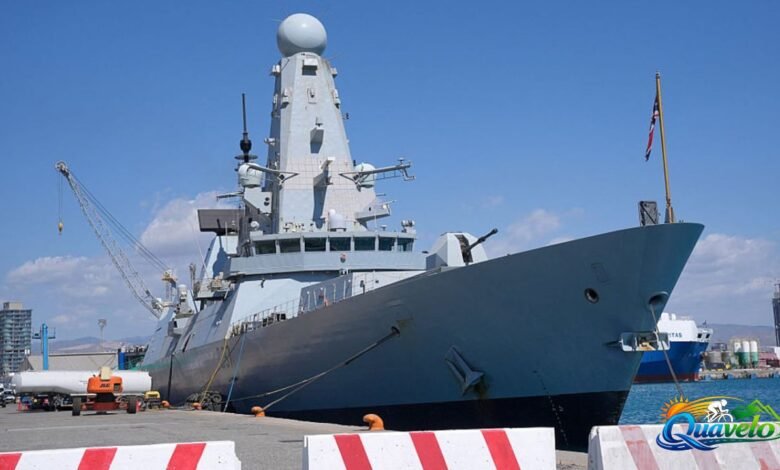
HMS Duncan has returned to Portsmouth after completing a major NATO deployment, bringing home a crew that has spent months operating in challenging maritime environments while supporting international security commitments. The return of the Royal Navy destroyer was marked by a warm welcome from families, naval supporters and colleagues who gathered to celebrate the successful completion of another important mission. The homecoming highlighted the dedication and professionalism of everyone who serves onboard this advanced warship.
The latest deployment once again demonstrated the importance of HMS Duncan in maintaining the United Kingdom’s naval presence around the world. As a Type 45 air defence destroyer, the vessel plays a crucial role in protecting naval groups, supporting allied operations and strengthening cooperation between NATO partners. The ship’s return to Portsmouth represents not only the end of a mission but also the beginning of preparations for future Royal Navy commitments.
HMS Duncan: A Modern Type 45 Royal Navy Destroyer
HMS Duncan is one of the most advanced warships operated by the Royal Navy and represents the latest generation of British naval technology. Built as the sixth and final Type 45 Daring-class destroyer, the ship was designed primarily to provide powerful air defence capabilities for the Royal Navy fleet. Since entering service, HMS Duncan has taken part in numerous operations, exercises and international deployments that demonstrate its flexibility and strength.
The destroyer measures around 152 metres in length and has been developed to protect ships from modern aerial threats. HMS Duncan uses advanced radar systems, sophisticated communication technology and the Sea Viper missile system to detect and respond to potential dangers. These capabilities allow the ship to provide a protective shield around valuable naval assets, including aircraft carriers and other important vessels operating at sea.
The role of a Type 45 destroyer goes far beyond traditional naval operations. These ships are designed to operate alongside international partners, contribute to NATO missions and maintain security in important maritime regions. HMS Duncan continues to represent the Royal Navy’s commitment to maintaining a highly trained and technologically advanced fleet capable of responding to changing global challenges.
HMS Duncan Nordic Deployment and NATO Mission
The HMS Duncan Nordic deployment was an important operation that demonstrated the Royal Navy’s commitment to NATO cooperation and regional security. During the deployment, the destroyer operated in northern European waters, working alongside allied nations and participating in activities designed to improve communication, readiness and joint operational capability. Such deployments allow naval forces from different countries to train together and develop stronger partnerships.
The Nordic region has become increasingly significant due to its strategic location, important sea routes and growing security challenges. HMS Duncan’s presence in the area helped demonstrate NATO’s ability to operate effectively in demanding environments. The mission involved maritime exercises, cooperation with partner forces and activities that supported wider defence objectives across the region.
Operating in northern waters presents unique challenges for sailors and naval equipment. Cold temperatures, difficult weather conditions and long periods at sea require exceptional preparation and teamwork. The success of the HMS Duncan Nordic deployment reflects the skill of the crew and the ability of the ship to perform effectively in a variety of operational situations.
The Significance of HMS Duncan’s Return to Portsmouth
The return of HMS Duncan to Portsmouth was a significant moment for both the crew and their families. After spending extended periods away from home, sailors were able to reunite with loved ones and reflect on the achievements of their deployment. These homecoming events are an important tradition within the Royal Navy, recognising the dedication and sacrifices made by personnel serving at sea.
Portsmouth has a long history as a centre of British naval operations and continues to serve as a vital base for modern Royal Navy vessels. After returning, HMS Duncan can undergo maintenance, technical inspections and training activities to ensure it remains prepared for future missions. These periods between deployments are essential for maintaining the ship’s operational effectiveness.
The successful completion of another mission reinforces HMS Duncan’s reputation as a reliable and capable Royal Navy destroyer. Every deployment provides valuable experience for the crew and strengthens the ship’s ability to respond to future challenges. The return to Portsmouth marks a temporary pause before the vessel continues its important role within Britain’s maritime defence strategy.
Life Onboard HMS Duncan and the Role of the Captain
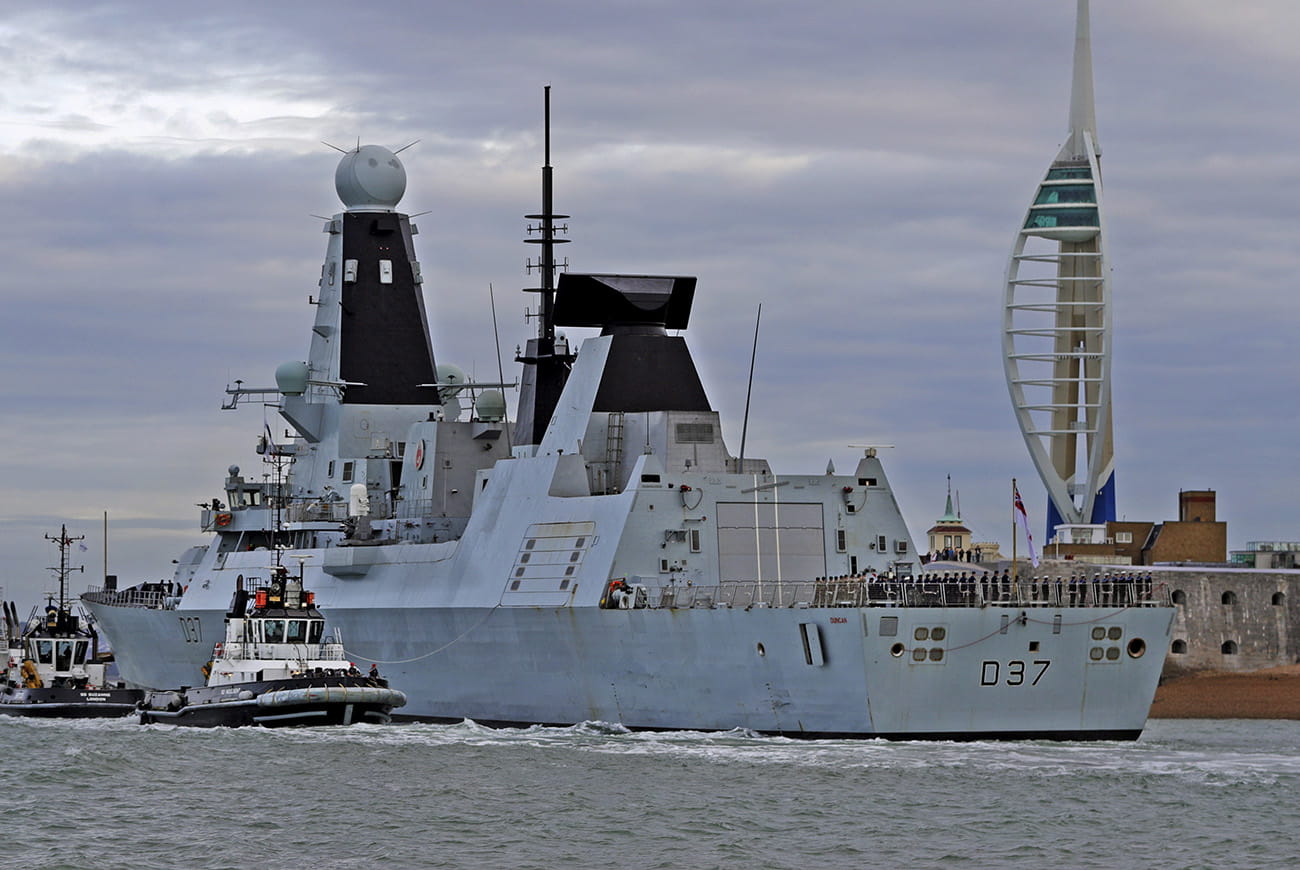
Life onboard HMS Duncan requires teamwork, discipline and specialist knowledge from every member of the crew. A modern destroyer operates like a small community at sea, with sailors, engineers, weapons specialists, navigators and support teams working together around the clock. Every department contributes to keeping the ship safe, effective and ready for operational duties.
The HMS Duncan captain holds overall responsibility for the ship, the crew and the successful completion of missions. The commanding officer must make important decisions, manage operations and ensure that the vessel follows Royal Navy standards. Leadership onboard involves balancing operational requirements with crew welfare, training and maintaining a strong sense of teamwork.
The captain works alongside senior officers to coordinate activities across the ship. From navigation and engineering to weapons systems and communication, every area requires careful planning and management. The professionalism of the captain and crew is one of the main reasons HMS Duncan continues to successfully complete demanding international deployments.
HMS Duncan Location After Completing Deployment
Following its latest NATO mission, the HMS Duncan location is associated with its return to Portsmouth Naval Base. Naval vessels regularly move between ports, training areas and operational regions depending on Royal Navy requirements. For security reasons, exact locations are not always publicly available, especially when ships are involved in active operations or sensitive missions.
Portsmouth provides HMS Duncan with the facilities required for maintenance, crew support and preparation for future tasks. During periods alongside, engineers and technical teams inspect important systems, carry out repairs and ensure that the ship remains ready for deployment. Training also continues, allowing sailors to maintain their skills between major operations.
The location and movements of HMS Duncan reflect the wider activities of the Royal Navy. The ship’s schedule can include NATO commitments, exercises with allied countries and missions supporting UK defence objectives. Even when not deployed, the vessel remains an important part of Britain’s maritime capability.
HMS Duncan Next Deployment and Future Missions
Interest in the HMS Duncan next deployment remains high among naval enthusiasts and defence observers. While future operational details are not always released immediately, Royal Navy ships regularly rotate through different missions based on strategic requirements. These may include NATO activities, international exercises, maritime security operations and support for wider naval deployments.
HMS Duncan has been built to provide flexibility, allowing it to operate in different regions and alongside various allied forces. Future deployments could see the ship continue supporting collective defence efforts and strengthening relationships with partner nations. Its advanced systems and experienced crew make it an important asset for missions requiring high levels of readiness.
As global maritime security challenges continue to develop, ships like HMS Duncan will remain central to the Royal Navy’s ability to protect national interests. The destroyer’s future missions will continue to demonstrate the importance of modern naval power and international cooperation.
HMS Duncan’s Importance to UK Defence and NATO Security
HMS Duncan plays a vital role in the United Kingdom’s defence strategy by providing advanced air defence capabilities and supporting allied operations. Modern naval warfare requires ships that can detect threats quickly, protect other vessels and operate effectively alongside international partners. HMS Duncan’s technology and training allow it to meet these demanding requirements.
Through NATO deployments and multinational exercises, HMS Duncan helps strengthen cooperation between allied nations. These missions improve communication, build trust and ensure that different naval forces can operate together when required. The ship represents Britain’s ongoing commitment to collective security and maintaining stability at sea.
The continued service of HMS Duncan highlights the importance of having a modern and capable Royal Navy fleet. From protecting carrier groups to supporting international operations, the destroyer remains a symbol of British naval expertise and commitment.
Conclusion
HMS Duncan’s return to Portsmouth after NATO deployment marks another successful achievement for one of the Royal Navy’s most capable destroyers. The mission demonstrated the ship’s ability to operate in challenging environments, support allied forces and maintain Britain’s presence on the world’s oceans. Behind every successful deployment is the dedication of the sailors and officers who keep the vessel operating.
With advanced technology, a highly trained crew and a vital role in maritime defence, HMS Duncan will continue to serve as an important part of the Royal Navy. As preparations begin for future operations, the destroyer remains ready to support NATO partners, protect UK interests and carry forward its proud naval legacy.
Frequently Asked Questions
What is HMS Duncan?
HMS Duncan is a Type 45 Daring-class Royal Navy destroyer designed mainly for advanced air defence and maritime security operations.
Where is HMS Duncan based?
HMS Duncan is based at Portsmouth Naval Base, one of the Royal Navy’s main operational locations in the United Kingdom.
What was the HMS Duncan Nordic deployment?
The HMS Duncan Nordic deployment involved NATO operations, naval exercises and cooperation with allied forces in northern European waters.
Who is the captain of HMS Duncan?
The HMS Duncan captain is responsible for leading the crew, managing operations and ensuring successful completion of missions.
What is the current HMS Duncan location?
The current HMS Duncan location is linked with Portsmouth after completing its latest deployment, although exact positions may not always be released.
What is HMS Duncan’s next deployment?
The HMS Duncan next deployment will depend on Royal Navy operational requirements, NATO commitments and future defence missions.
How powerful is HMS Duncan?
HMS Duncan is one of the Royal Navy’s most advanced destroyers, featuring powerful radar systems and the Sea Viper missile defence system.
When was HMS Duncan commissioned?
HMS Duncan entered Royal Navy service in 2013 as the sixth and final Type 45 destroyer.
What missions does HMS Duncan carry out?
HMS Duncan performs air defence duties, NATO deployments, maritime security missions and international naval exercises.
Also Read: reliant robin