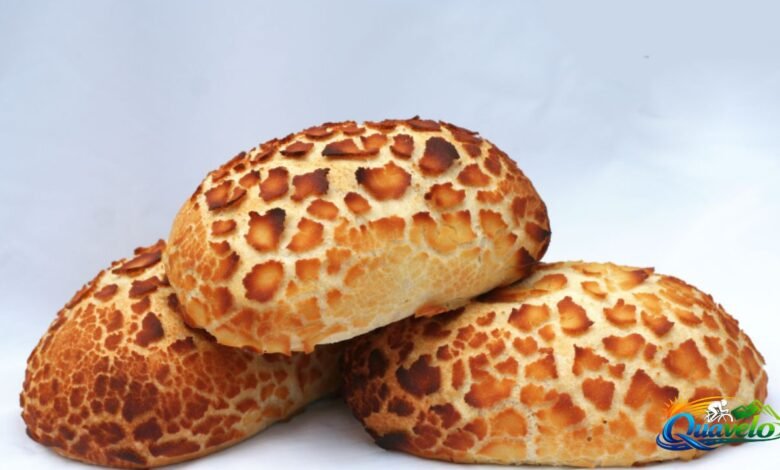
Tiger bread is a much-loved bakery favourite in the UK, recognised for its beautifully cracked crust and soft, airy centre. The unique appearance of this bread comes from a special rice flour topping that creates a golden, patterned finish during baking. Unlike ordinary white bread, it offers a satisfying contrast between a crunchy outer layer and a fluffy inside, making it perfect for sandwiches, toast, and everyday meals.
Many people searching for tiger bread want to understand why this loaf looks so different from traditional bread and how they can recreate it at home. The good news is that making a homemade version is achievable with simple ingredients and a little patience. This guide explains what is tiger bread, how to make tiger bread, the ingredients required, and tips for achieving a bakery-style result.
What Is Tiger Bread?
Tiger bread is a type of bread that features a distinctive crackled crust made from a rice flour paste applied before baking. The topping dries and splits in the oven, creating a pattern that resembles the markings of a tiger’s coat. Beneath this crunchy surface is a soft, light, and slightly chewy bread that makes it enjoyable for many different meals.
Also known as Dutch crunch bread or tijgerbrood, this bread originally comes from the Netherlands but has become extremely popular in the UK. The appeal of tiger bread comes from its unusual appearance and excellent texture. It combines the comfort of a traditional loaf with the character of a speciality bakery product, making it a favourite choice for families and bread enthusiasts.
The History and Popularity of Tiger Bread in the UK
Over the years, tiger bread has developed a strong following across British bakeries and supermarkets. Its rise in popularity is largely due to its unique appearance, which immediately attracts attention on bakery shelves. While traditional bread varieties often focus mainly on flavour, this loaf offers an exciting visual experience alongside a delicious taste, helping it become a household favourite.
One of the most recognised supermarket versions is Warburtons tiger bread, which has introduced this style of loaf to many UK consumers. The brand is known for producing a soft bread with a distinctive crunchy topping that works well for breakfast, packed lunches, and family dinners. The popularity of Warburtons tiger bread also helped increase interest in homemade versions among people who wanted to recreate the same texture and flavour in their own kitchens.
Ingredients Needed for Homemade Tiger Bread
Creating a successful tiger bread recipe requires two main elements: the bread dough and the signature crunchy topping. The dough is usually made with strong white bread flour, yeast, water, salt, sugar, and butter or oil. These ingredients help create a soft structure while allowing the bread to rise properly and develop a light texture.
The special topping is what gives this bread its famous appearance. It is made using rice flour, yeast, water, sugar, oil, and salt. Rice flour is essential because it forms a dry, crispy layer during baking that cracks naturally. Choosing good-quality ingredients and measuring them carefully will help you achieve a loaf with a golden crust, soft centre, and authentic bakery-style finish.
How to Make Tiger Bread at Home
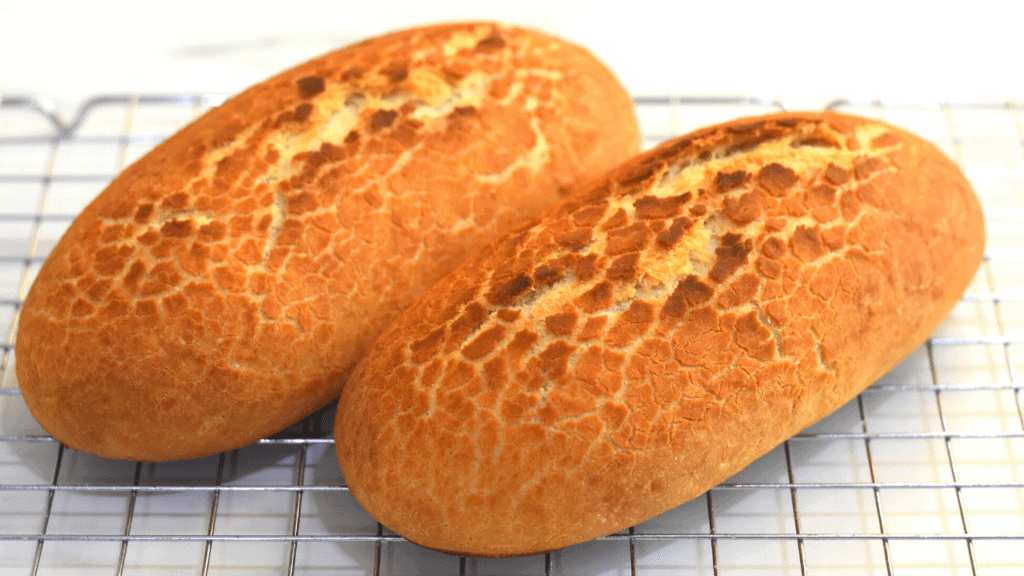
Learning how to make tiger bread begins with preparing a soft and elastic dough. Mix the bread flour, yeast, salt, sugar, and liquids until everything combines into a smooth mixture. Kneading the dough is an important stage because it develops gluten, which gives the bread strength and helps create the fluffy texture people expect from a fresh loaf.
Once the dough has been kneaded, it needs time to rise until it becomes larger and lighter. After the first proofing stage, shape the dough into a loaf or rolls depending on your preference. Prepare the rice flour topping and spread it evenly over the surface before the final rise and baking process. When baked correctly, the topping will crack beautifully, creating the classic tiger pattern.
Tips for Making the Perfect Tiger Bread
The secret to a successful tiger bread recipe is patience and attention to detail. Allowing enough time for the dough to rise will create a lighter and softer loaf, while rushing the process can result in bread that feels heavy or dense. A warm environment helps yeast work effectively and improves the final texture of the bread.
The topping consistency is equally important when making homemade tiger bread. It should be thick enough to stay on the surface but smooth enough to spread evenly. Too much topping can make the crust heavy, while too little may prevent the characteristic cracked effect. Applying the correct amount and baking at the right temperature will help you achieve a crisp crust similar to a professional bakery loaf.
Common Tiger Bread Problems and How to Fix Them
Even experienced bakers can sometimes face challenges when preparing tiger bread at home. One common problem is a topping that does not crack properly during baking. This can happen if the rice flour mixture is too thin, the oven temperature is too low, or the topping has not been applied correctly before baking.
Another issue is a loaf that turns out too dense instead of soft and fluffy. This usually happens because of insufficient kneading, poor yeast activity, or not allowing enough time for the dough to prove. If the crust becomes too hard, adjusting the baking time and storing the bread correctly can help maintain the ideal balance between a crunchy exterior and a soft centre.
How to Serve and Enjoy Tiger Bread
Tiger bread is a versatile loaf that can be enjoyed in many different ways throughout the day. The soft interior makes it ideal for sandwiches filled with cheese, meats, salads, or spreads, while the crunchy crust adds extra texture with every bite. It is also delicious when lightly toasted and served with butter, jam, or other breakfast toppings.
For a comforting meal, tiger bread pairs beautifully with soups, stews, and warm dishes because the soft crumb absorbs flavours while the crust remains satisfying. Whether served fresh from the oven or enjoyed the following day, this bread brings something special to simple meals. Its unique texture makes it suitable for both everyday eating and special occasions.
How to Store Homemade Tiger Bread
Proper storage is important for keeping homemade tiger bread fresh for as long as possible. Once the loaf has completely cooled, it should be placed inside a bread bag or airtight container to prevent it from becoming dry. Keeping it at room temperature helps maintain the balance between the crunchy crust and soft interior.
If you want to store the bread for a longer period, freezing is an excellent option. Slice the loaf before freezing so individual portions can be removed when needed. When reheated gently in the oven or toaster, the bread can regain much of its original texture and flavour, making it a convenient homemade option for busy households.
Homemade Tiger Bread vs Warburtons Tiger Bread
Homemade tiger bread gives bakers complete control over ingredients, freshness, and flavour. Making the loaf yourself allows you to adjust the size, texture, and level of crunch according to your personal preference. Freshly baked bread also provides a wonderful aroma and taste that is difficult to match with packaged alternatives.
Warburtons tiger bread remains a popular choice because it offers convenience and consistent quality. It is widely available in UK supermarkets and provides a quick way to enjoy this distinctive style of bread without spending time preparing dough. However, baking your own version can be a rewarding experience for anyone who enjoys creating fresh bakery products at home.
Conclusion
Tiger bread has earned its place as one of the UK’s most popular speciality breads because of its unique appearance, crunchy topping, and soft centre. Whether you buy a loaf from the supermarket or follow a homemade tiger bread recipe, the combination of textures makes it a memorable choice for breakfast, lunch, and snacks.
Understanding what is tiger bread and learning how to make tiger bread allows you to appreciate the skill behind this popular loaf. With the right ingredients, careful preparation, and a little practice, you can create a delicious homemade version that rivals bakery-quality bread.
Frequently Asked Questions
What is tiger bread?
Tiger bread is a soft loaf covered with a rice flour topping that creates a cracked, golden crust during baking. It is also known as Dutch crunch bread because of its unique crunchy surface.
How do you make tiger bread?
To make tiger bread, prepare a soft bread dough, allow it to rise, cover it with a rice flour topping, and bake until the crust becomes golden and cracked.
Why does tiger bread have a cracked crust?
The cracked crust forms because the rice flour topping dries and expands during baking, creating the distinctive pattern that makes the bread instantly recognisable.
Is tiger bread the same as Dutch crunch bread?
Yes, tiger bread and Dutch crunch bread refer to the same style of loaf. The name varies depending on the country and bakery.
Is Warburtons tiger bread available in the UK?
Yes, Warburtons tiger bread is a popular supermarket option in the UK and is widely enjoyed for its crunchy topping and soft texture.
Can I freeze homemade tiger bread?
Yes, homemade tiger bread can be frozen. Slicing it before freezing makes it easier to use later while helping maintain freshness.
Also Read: hms duncan