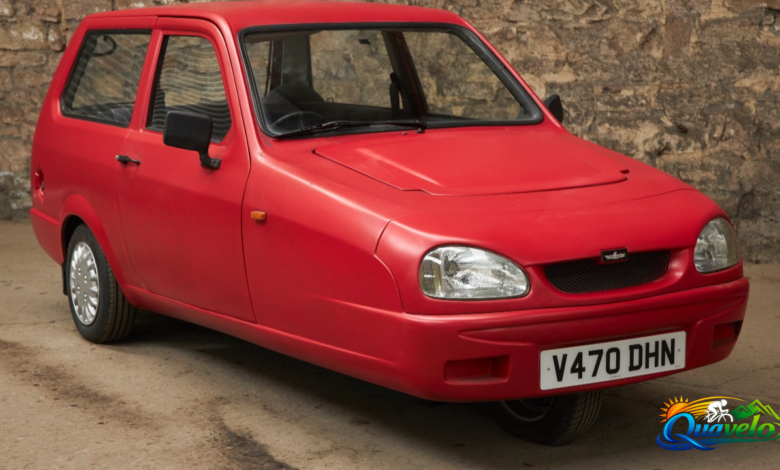
The Reliant Robin is one of the most famous and unusual vehicles in British motoring history. Instantly recognisable because of its three-wheel design, lightweight fibreglass body and unique appearance, this small British car has become a symbol of affordable transport and quirky engineering. Although many people associate it with comedy and television, the Reliant Robin was originally created as a practical solution for drivers looking for economical and inexpensive motoring.
Built by the Reliant Motor Company in Tamworth, England, the car gained popularity because of its low running costs, impressive fuel economy and unusual legal advantages. During periods when fuel prices and household expenses were rising, the vehicle offered an affordable alternative to larger cars. Its compact design made it suitable for everyday journeys, while its lightweight construction helped keep ownership costs low.
Over time, the Reliant Robin developed a reputation that went far beyond its original purpose. Television programmes, especially British comedy shows, helped turn it into a cultural icon. Today, it is remembered not only as a small three-wheeled vehicle but also as a fascinating example of British creativity, engineering and automotive history.
The History and Development of the Reliant Robin
The history of the Reliant Robin began in 1973 when the Reliant Motor Company introduced it as the successor to earlier three-wheeled models. Reliant had already established itself as a manufacturer of lightweight vehicles, and the new model continued the company’s focus on affordable and efficient transport. The Robin was designed to provide car-like comfort while maintaining the advantages of a lightweight three-wheeler.
The first generation of the Reliant Robin was produced from 1973 until 1981, before production eventually returned between 1989 and 2001. During these years, the vehicle received several improvements, including updated styling, better interiors and revised mechanical components. These changes helped keep the model competitive despite the growing popularity of traditional small hatchback cars.
A major reason behind the vehicle’s success in the UK was its classification under certain licensing rules. Because of its three-wheel layout and low weight, some drivers were able to operate the car under motorcycle licence regulations. This made it especially attractive to people who wanted affordable personal transport without the expense associated with owning a conventional four-wheel vehicle.
Reliant Robin Design and Three-Wheel Engineering
The most distinctive feature of the Reliant Robin is its unusual three-wheel arrangement. Unlike standard cars that use four wheels for stability, the Robin has one front wheel responsible for steering and two rear wheels that provide support and drive. This design reduced weight, lowered manufacturing costs and contributed to the vehicle’s impressive fuel efficiency.
The body of the Reliant Robin was constructed from fibreglass, a lightweight material that was commonly used by Reliant. This helped reduce the overall weight of the vehicle to approximately 450 kilograms, making it extremely light compared with most cars on British roads. The lightweight body also meant that the engine did not need to produce large amounts of power to move the vehicle effectively.
However, the same design features that made the car economical also influenced its driving characteristics. The single front wheel created a different handling experience compared with conventional cars. Drivers needed to adjust their driving style, particularly when approaching corners, because sudden movements or excessive speed could affect the vehicle’s balance.
Reliant Robin Engine, Specifications and Performance
The Reliant Robin was designed around efficiency rather than speed, but its mechanical setup was perfectly suited to affordable everyday driving. Early models featured a 750cc engine, while later versions received an upgraded 850cc engine that improved performance and reliability. These engines were small, simple and inexpensive to maintain, matching the vehicle’s practical purpose.
One of the biggest advantages of the Reliant Robin was its excellent fuel economy. Some models were capable of achieving up to 70 miles per gallon, which made it extremely attractive during periods when fuel costs were a major concern. The combination of a lightweight fibreglass body and a small engine allowed owners to enjoy economical motoring without sacrificing basic practicality.
The top speed of the Reliant Robin depended on the model and engine version, but later examples could reach around 85 mph. While this was not impressive compared with modern vehicles, it was more than adequate for everyday driving during the years when the car was most popular. The Robin was created for affordable transportation, not high-speed performance.
Why Does the Reliant Robin Tip Over?

One of the biggest questions surrounding the Reliant Robin is why it has gained a reputation for tipping over. The answer comes mainly from its three-wheel design. With only one front wheel, the vehicle has a different weight distribution compared with normal cars. During sharp turns, especially at higher speeds, the forces acting on the vehicle can make it less stable.
The lightweight construction of the Reliant Robin also contributed to its unique handling behaviour. Because the car was built to reduce weight and improve efficiency, it did not have the same level of stability as larger four-wheel vehicles. However, careful driving and proper handling meant that many owners used their cars safely for everyday journeys.
Television programmes such as Top Gear greatly increased awareness of the Robin’s tipping reputation. Humorous demonstrations exaggerated this characteristic and helped create a worldwide image of the vehicle as an amusingly unstable car. In reality, the Reliant Robin was a practical vehicle designed for economical transport, and many examples remained on the road for decades.
Reliant Robin and Only Fools and Horses Popularity
The connection between the Reliant Robin and British television has played a huge role in the vehicle’s lasting fame. Although the famous yellow three-wheeler driven by Del Boy in Only Fools and Horses was technically a Reliant Regal, many viewers associate the show with the entire Reliant three-wheeled car family.
Only Fools and Horses introduced millions of viewers to the unusual appearance of Reliant vehicles and helped transform them into a symbol of British comedy. The sight of Del Boy driving his small three-wheeler became one of the most memorable images in British television history. This association continues to attract attention from fans of both classic cars and the popular sitcom.
The popularity of Only Fools and Horses ensured that Reliant vehicles remained part of British culture long after production ended. Today, enthusiasts often restore and display these cars at classic vehicle events, where they attract attention because of their connection with television history and their unusual engineering.
Owning a Reliant Robin Today
Owning a Reliant Robin today is mainly about enjoying a piece of British automotive history. While it may not offer the practicality or technology of a modern vehicle, it provides something different: character, nostalgia and a unique driving experience. Classic car enthusiasts appreciate the Robin because it represents an unusual approach to vehicle design.
When purchasing a Reliant Robin, buyers should carefully inspect important areas such as the fibreglass body, chassis condition, engine performance and previous restoration work. Older vehicles may require maintenance, but many spare parts and specialist communities are still available to support owners.
The vehicle has developed a strong following among collectors who enjoy unusual classics. Owners often attend car shows, share restoration advice and celebrate the unique personality of the Robin. Its affordability and historical importance continue to make it an interesting choice for classic car enthusiasts.
The Lasting Legacy of the Reliant Robin
The Reliant Robin remains one of Britain’s most memorable vehicles because it represents more than its reputation for comedy. It was an example of creative engineering that focused on reducing costs, improving efficiency and providing accessible transport. Its lightweight design and unusual construction made it completely different from traditional cars of its era.
Although jokes about tipping over have become part of its identity, the Reliant Robin deserves recognition for its role in British motoring history. It helped thousands of people enjoy affordable transport and demonstrated that vehicles could be designed in unconventional ways to meet specific needs.
Today, the Reliant Robin continues to attract attention from collectors, television audiences and car enthusiasts around the world. Its combination of unusual design, British humour and historical importance ensures that this small three-wheeled car remains a true automotive legend.
Conclusion
The Reliant Robin is a vehicle unlike any other, combining practical engineering with a personality that captured the imagination of generations. From its economical engines and lightweight body to its famous appearances in British entertainment, it has secured a unique position in automotive history.
While some remember it mainly for jokes and television moments, the Reliant Robin was also an innovative solution for affordable transport. Its unusual design, fuel efficiency and cultural impact have allowed it to remain popular decades after production ended. For many people, the Robin represents the creativity, humour and individuality that make British motoring history so interesting.
Frequently Asked Questions
What is a Reliant Robin?
The Reliant Robin is a British three-wheeled car produced by the Reliant Motor Company, known for its lightweight design and excellent fuel economy.
Why does the Reliant Robin tip over?
The Reliant Robin can tip over because of its three-wheel layout, narrow front design and weight distribution during sharp, high-speed turns.
How fast can a Reliant Robin go?
The Reliant Robin can reach a top speed of around 85 mph, depending on the model and engine version.
Was the Reliant Robin used in Only Fools and Horses?
The famous three-wheeled Reliant featured in Only Fools and Horses was mainly a Reliant Regal, but it is often associated with the Reliant Robin name.
How many wheels does a Reliant Robin have?
The Reliant Robin has three wheels, with one front wheel for steering and two rear wheels for support and drive.
Can you still buy a Reliant Robin today?
Yes, classic Reliant Robin models are still available through collectors, classic car dealers and enthusiast communities.
What engine does a Reliant Robin use?
The Reliant Robin was produced with 750cc and 850cc engine options during different production periods.
Is a Reliant Robin a good classic car?
The Reliant Robin is a popular classic car choice for enthusiasts who enjoy unique British vehicles with character and history.
Also Read: sawbridgeworth